

Mckenzie Rose
Choosing a Gaming Platform: PC, Console, or Cloud
20015 41
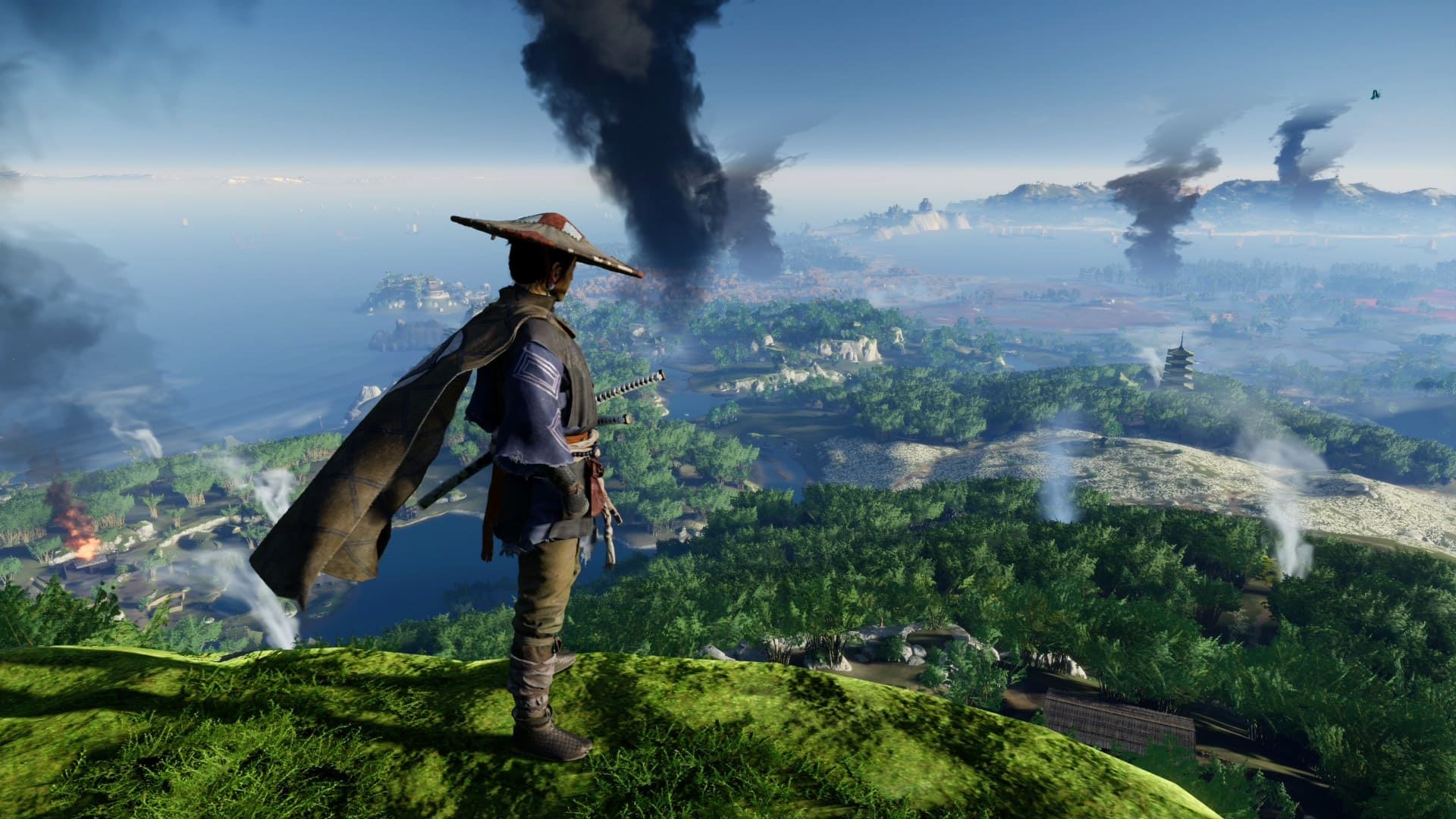
Technological advances have given virtual entertainment enthusiasts unprecedented freedom of choice. Today, immersing yourself in a captivating digital experience doesn't require conforming to a single standard. Every user faces a fundamental question: which environment best suits their lifestyle, technical expectations, and habits? Each solution—whether a classic computer, a dedicated home console, or modern remote servers—has its own unique characteristics.
Personal computer: maximum freedom and flexibility
Desktop systems remain the choice of those who value uncompromising image quality and complete control over the process. The computer is appealing for its versatility. This device allows not only for gaming at maximum frame rates and ultra-high graphics settings, but also for creative work, programming, studying, or media editing.
A key advantage of this environment is the ability to fine-tune upgrades: you can always replace individual components to meet the system requirements of new products. Furthermore, it offers the industry's largest library of projects, including amateur modifications that can completely transform familiar worlds. However, the downside is the need to independently navigate technical nuances, drivers, and software compatibility.
Game consoles: comfort and ease of use
Home consoles offer a fundamentally different philosophy, focused on maximum comfort and time savings. The "plug and play" concept frees users from any worries about system requirements or graphics optimization. Developers tailor the project's technical parameters to the specific device from the start, ensuring stable operation.
A console fits perfectly into a living room. It's designed for relaxing on a soft sofa in front of a large screen, and its intuitive interface makes it accessible even for small children or complete beginners. The main limitation of this format is its closed ecosystem. You can't upgrade the graphics chip inside the box, and some genres, like complex strategy games, may feel less natural with a controller than with a mouse.
Cloud Services: Mobility and Future Technologies
Streaming is rapidly transforming the industry, eliminating the need for expensive hardware in favor of remote computing. The principle is simple: the game itself runs on a powerful remote server, and only the finished video stream is transmitted to the user's device, similar to a traditional online cinema. This makes it possible to run the most demanding new games even on an old laptop, tablet, or regular smartphone.
This format offers incredible portability—you can start playing at home and continue on the go. The primary and critical requirement here is the quality of your internet connection. A stable, high-speed connection is essential for smooth image transmission without input lag. If the network is intermittent, the user risks experiencing blurry pixels and unresponsive controls instead of a clear image.
A conscious choice to suit your personal rhythm of life
Ultimately, there's no perfect platform, and the right choice depends on your priorities. If you strive for technological perfection and enjoy customizing your system, a personal computer is your best bet. If peace of mind, family evenings, and simplicity are your top priorities, a home console will be your best friend. And if you value flexibility and freedom from being tied to one location, cloud computing offers a tantalizing glimpse into the future of digital entertainment.

Mia Foster