

Mckenzie Rose
How games develop strategic thinking
30075 98
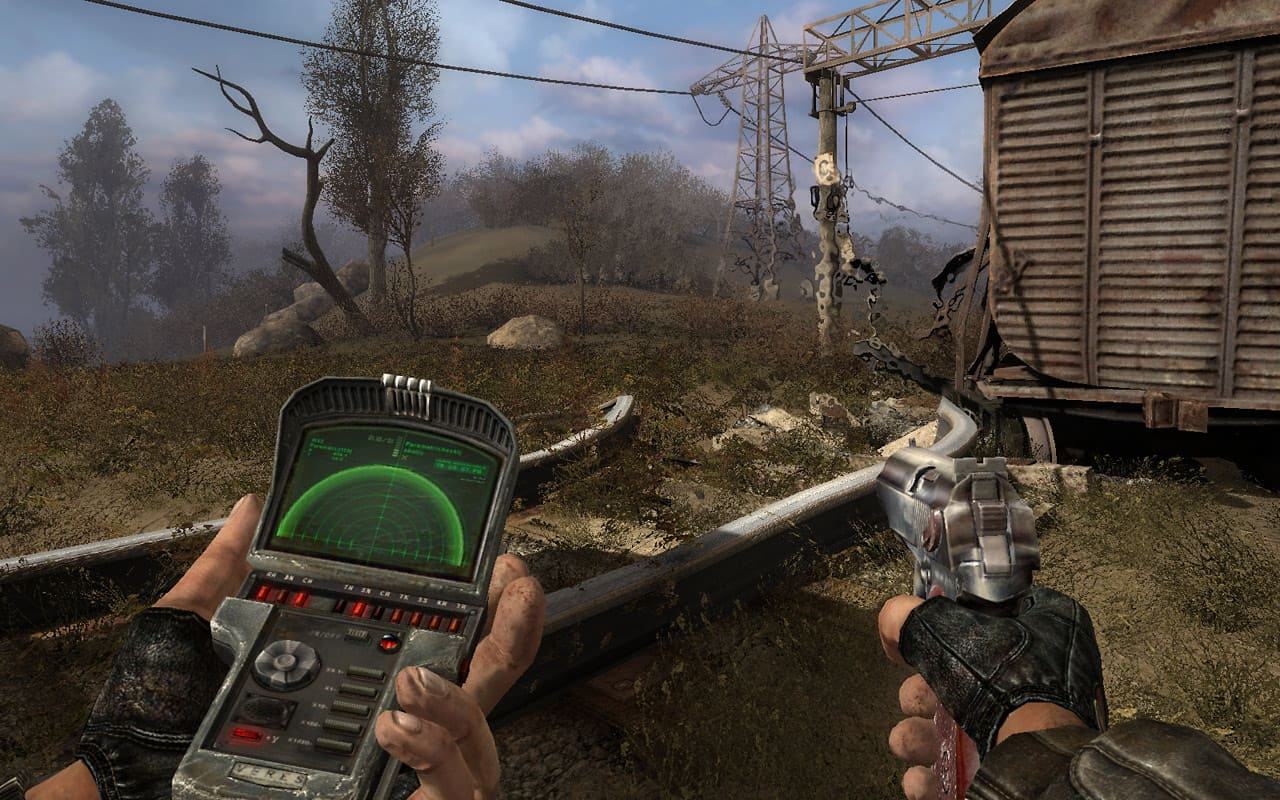
For a long time, the public perceived interactive entertainment solely as a way to escape reality or mindlessly while away the time. However, modern cognitive research convincingly demonstrates that deep, complex projects serve as excellent mental training. When faced with complex challenges in a virtual environment, people are forced to activate their analytical abilities, calculate the consequences of their actions many steps ahead, and flexibly adapt to changing conditions. This intellectual experience seamlessly transfers into everyday life, helping them solve real-world problems more effectively.
Resource management and forward planning
The foundation of any good strategy is the need to wisely manage limited resources. Players are constantly faced with dilemmas: spend accumulated materials immediately on immediate defense or invest them in long-term technological development that will only bear fruit in a few hours. This strict constraint trains the brain to prioritize and see the big picture.
People learn to think big, structure their needs, and forego short-term pleasures in favor of achieving a meaningful future goal. This skill is critical in the real world, where the ability to balance current energy expenditures with long-term plans determines overall personal productivity and order in one's affairs.
Risk forecasting and critical analysis
A true strategist sees not only the current position, but also the potential development of events.
In turn-based or global military-political simulators, every decision entails a chain of hidden consequences. Before making a move, the player must analyze a multitude of factors: from the geographic location of their units to the opponent's possible countermeasures. The system punishes impulsive actions, training the player to be calm and deliberate.
Games develop the ability to analyze systems. Users learn to formulate backup plans, anticipate critical points of potential failure, and minimize negative consequences in advance. In everyday life, this translates into the ability to anticipate life's challenges, realistically assess one's own strengths, and avoid panicking when circumstances change dramatically.
Flexibility of thought and tactical adaptation
No plan, even the most brilliant, is immune to the unpredictability of reality. A random change in the weather on a virtual map, a sudden maneuver by an opponent, or a shortage of a crucial element forces a player to instantly adjust their behavior. In such circumstances, formulaic thinking inevitably leads to defeat.
Regularly overcoming such crises develops mental flexibility. The brain learns not to cling to outdated dogmas, but to quickly seek alternative solutions to the problem using the resources at hand. This skill is invaluable in today's rapidly changing world, where the ability to quickly adapt and find a creative way out of a dead-end situation is valued above all else.
Conscious development of mental skills
Virtual worlds provide us with a safe and incredibly engaging space for thought experiments. Mistakes here don't lead to fatal problems in life, but they provide invaluable food for thought and opportunity to work on our own shortcomings. By trying different approaches, governing fictional states, or commanding fantastical armies, we sharpen our intellect.
To achieve maximum developmental benefits, it's important to choose projects consciously. Focus on genres that make you think, debate, question, and create. By turning your free time into high-quality cognitive training, you're not just relaxing, but laying a solid foundation for confident decision-making in any life situation.

Evelyn Long